Source Wood Working Zippered Tool Bag for carpentry, electrician, construction
Compare 30 Wood Working Zippered Tool Bag options from verified suppliers. Buyers can evaluate materials like polyester and nylon, customization features, and MOQs for carpentry, electrician, and construction applications.
Key considerations
Products List
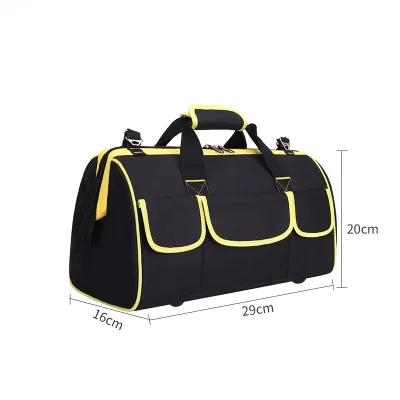
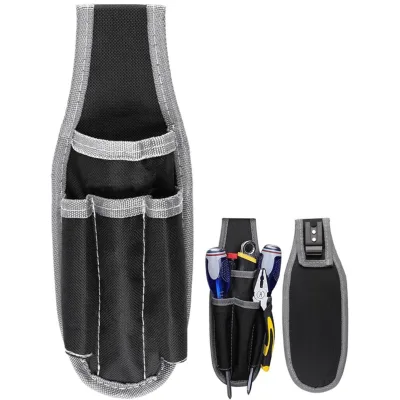
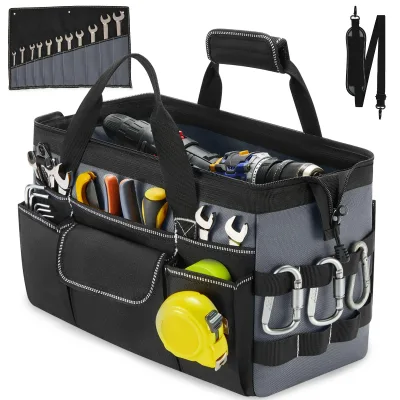
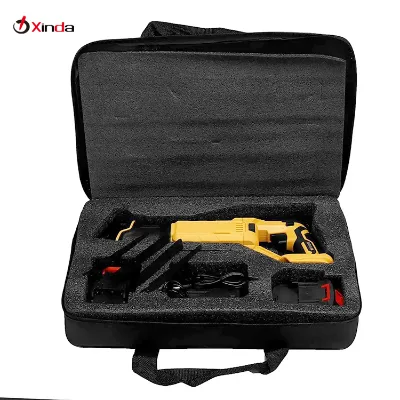

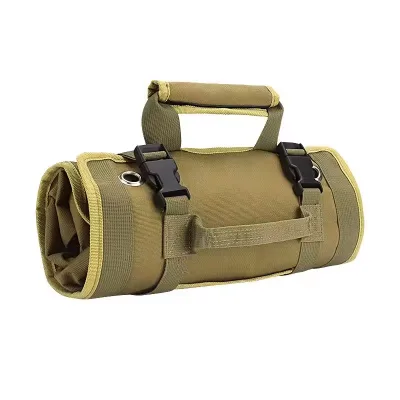
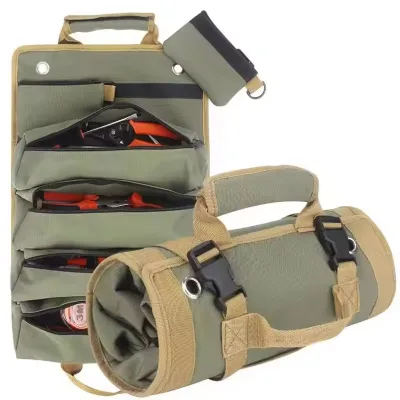
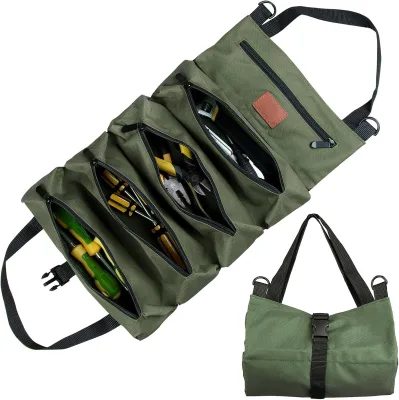
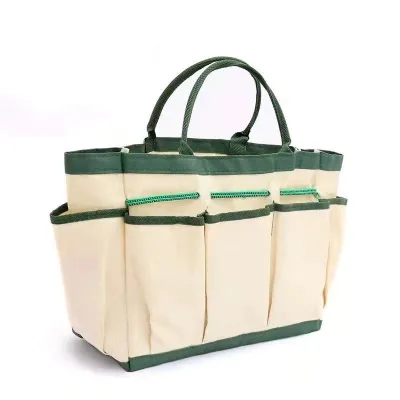
New Garden Tool Bag Gardening Hand Bag Hardware Tool Bag Woodworking Hand Tool Bag
$6.30 - $6.90
MOQ: 1000 Pieces


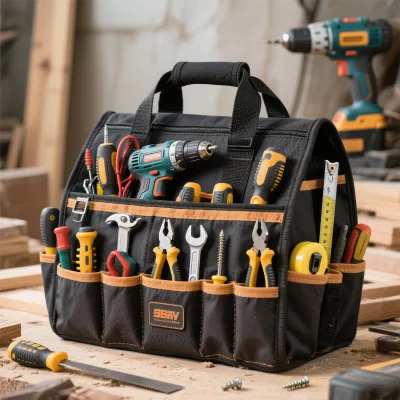
Factory Custom Belt Tool Bag Adjustable Bag Durable Bag Multi-Pocket Multi-Function
$9.00 - $10.00
MOQ: 500 Pieces







Comprehensive Sourcing Guide
Strategic Sourcing Guide for Woodworking Zippered Tool Bags
Understanding Product Specifications and Material Variability
When sourcing a woodworking zippered tool bag, the primary objective is to identify a product that balances durability with the specific organizational needs of carpentry and fine woodworking. The core product category is defined as a "carrying bag tool" or "tool bag with shoulder strap," designed explicitly for the storage and transport of power tools and hand tools. A critical observation in the current market is the significant variance in material composition, which directly impacts the bag's suitability for a woodworking environment.
The supplied data indicates that materials range from standard Polyester to a robust blend of Nylon, Polyester, and specifically 600D+1680D Polyester. For woodworking applications, where tools are often heavy and the environment may contain sawdust or sharp debris, the 600D+1680D specification represents a high-performance tier. The "Heavy Duty" feature is a key attribute to verify, as it suggests the fabric can withstand the abrasion associated with construction sites and workshops. Conversely, some listings mention "Lightweight" as a feature, which may be preferable for electricians or mobile technicians but less ideal for heavy woodworking tasks requiring maximum protection.
Dimensions are another critical specification that varies widely. Buyers must distinguish between standard fixed sizes and customizable options. The market offers specific dimensions such as 292016CM, which provides a substantial volume for larger tool sets, while other options list dimensions like 111123cm, which are better suited for smaller, portable kits. Furthermore, "Custom Size" and "Custom Dimensions" are frequently available, allowing procurement teams to tailor the internal layout to specific tool collections. The closure mechanism is consistently identified as a "zipper," which is essential for securing tools against spillage during transport. The presence of a "shoulder strap" is a standard feature in this category, enhancing portability for workers moving between job sites.
Compliance, Certification, and Origin Verification
In the B2B procurement of industrial accessories, verifying the origin and compliance status of the supplier is as important as the physical product attributes. The sourcing data points to two primary manufacturing hubs in China: Fujian and Guangdong. These regions are known for their textile and bag manufacturing capabilities, but the specific origin can influence logistics costs and lead times. Buyers should explicitly confirm the "place of origin" on the final purchase order, as shipping terms and tariffs may differ between these provinces.
Regarding compliance, the data highlights "BSCI" (Business Social Compliance Initiative) as a specific certification available in the product listings. This certification is a strong indicator that the supplier adheres to social compliance standards regarding labor practices, which is a critical requirement for many international retailers and corporate buyers. However, it is important to note that not every listed product explicitly carries this certification in the provided data. Therefore, buyers must treat BSCI as a verification point rather than a universal attribute.
The "Factory: Since 1998" attribute suggests that some suppliers in this category have a long-standing operational history, which can be a proxy for stability and experience. However, buyers should not assume this applies to all vendors. Instead, the procurement strategy should involve requesting proof of this tenure and cross-referencing it with the specific factory address. Additionally, the "ODM/OEM" and "OBM" customization support indicates that suppliers are capable of producing private-label goods. This is relevant for buyers looking to brand the tool bags with their own logos, which can be applied via "Silk-screen," "Embroidery," "Debossed," or "Woven Label" methods.
Cost Drivers and Minimum Order Quantity Analysis
The economics of sourcing woodworking tool bags are heavily influenced by the Minimum Order Quantity (MOQ) and the level of customization required. The observed MOQ range in the market spans from 2 to 1000 pieces, with specific high-confidence data points indicating MOQs of 500 pieces and 1000 pieces for certain models. This variance suggests that buyers can source small batches for prototyping or market testing, but full-scale production runs will likely require orders closer to the 500-1000 unit threshold.
The price range observed is between 0.9 and 50 USD. This wide disparity is driven by several factors. The lower end of the spectrum likely corresponds to basic Polyester bags with standard dimensions and minimal customization. The higher end, approaching 50 USD, is associated with the heavy-duty 600D+1680D Polyester blends, custom sizing, and complex branding requirements. The "Customized Color" and "Pantone Swatch" options add to the cost, as they require specific dye lots and quality control checks to ensure color consistency.
Lead times are another significant cost driver. The data specifies a "Sample time" of 5-7 days or "7 workdays." This is the time required to produce a prototype for approval before mass production begins. For bulk orders, the lead time will extend significantly beyond this sample period. Buyers must account for the time required for logo application (Silk-screen or Embroidery) and the drying/curing time for any custom colors. The "Single package size" of 12.7X7.6X2.5 cm and the "Single gross weight" of 0.898 kg are critical for calculating shipping costs, as these metrics determine the volumetric weight and freight charges.
Typical Applications and Functional Requirements
The intended application of the woodworking zippered tool bag dictates the necessary functional features. The data explicitly lists "Construction, Electrician, Carpenter" as the primary usage scenarios. For woodworkers, the bag must serve as a protective case for power tools, which are often heavy and generate significant vibration. The "Waterproof" and "Shockproof" functions are highly desirable attributes for this demographic, ensuring that tools remain dry in outdoor conditions and are protected from impact during transport.
The internal organization is equally important. The "number of pockets" is listed as "Custom," allowing suppliers to design specific compartments for drills, saws, and measuring tapes. A "Simple" style is noted, which often implies a straightforward design with clear visibility of contents, reducing the time a carpenter spends searching for a specific tool. The "Capacity" is also customizable, meaning buyers can specify the internal volume to match their specific tool inventory.
For woodworking specifically, the bag must also resist sawdust accumulation. While the "Waterproof" claim is present, buyers should verify if the material is also dust-resistant. The "Heavy Duty" feature suggests a robust construction that can handle the rough handling typical of a workshop environment. The inclusion of a shoulder strap is a standard requirement for mobility, allowing the user to carry the bag hands-free while climbing ladders or navigating uneven terrain.
Supplier Evaluation and Quality Control Protocols
Evaluating a supplier for woodworking tool bags requires a multi-faceted approach that goes beyond the initial product listing. The "Factory: Since 1998" claim is a strong starting point, but it must be validated through a factory audit or a request for recent production records. Buyers should prioritize suppliers who demonstrate a clear capacity for "OEM, ODM, OBM" services, as this indicates flexibility in production and a willingness to adapt to specific buyer requirements.
Quality control should focus on the integrity of the zipper and the stitching. Since the "closure_type" is a zipper, it is the most likely point of failure. Buyers should request samples to test the zipper's durability under repeated use, especially when the bag is loaded with heavy tools. The material thickness, particularly the 600D+1680D Polyester options, should be verified to ensure it meets the "Heavy Duty" claim. A simple tensile test or a visual inspection of the weave density can confirm the material's strength.
The branding process is another area requiring strict quality control. Whether using "Silk-screen," "Embroidery," or "Debossed" methods, the logo placement must be precise and durable. The "Customer Logo" option implies that the supplier must handle the artwork file and apply it correctly. Buyers should request a pre-production sample with the logo applied to ensure the colors and positioning meet their brand standards. The "Single gross weight" of 0.898 kg for a specific model serves as a benchmark; deviations in weight for custom orders could indicate material inconsistencies or missing components.
Long-Term Procurement and Scalability Considerations
Sourcing woodworking tool bags is not a one-time transaction but a long-term partnership that requires scalability. The "Custom Size" and "Custom Color" options offer the flexibility needed to adapt to changing product lines or market trends. However, buyers must ensure that the supplier can maintain consistency in quality as order volumes increase. The "Sample time" of 5-7 days is a baseline; for large-scale production, the supplier must demonstrate the ability to scale up without compromising the "BSCI" compliance or the material quality.
The "Selling Units" are listed as "Single item," which suggests that the supplier is comfortable with individual packaging. This is beneficial for retail distribution but requires careful consideration of packaging efficiency for bulk shipping. The "Single volume" of 0 cm³ in the data is likely a placeholder or error, and buyers should insist on accurate volumetric data for shipping calculations to avoid unexpected freight costs.
Finally, the "Suite Quantity" of "<10 Set" suggests that some suppliers may have limitations on batch sizes or may be structured for smaller, specialized orders. For buyers planning to source thousands of units, it is essential to confirm that the supplier has the capacity to handle large orders without delays. The "Customization: Available" attribute is a positive sign, but buyers should establish clear communication channels for ongoing design iterations and quality feedback loops to ensure the long-term success of the procurement relationship.
Summary of Key Sourcing Parameters
To facilitate a streamlined decision-making process, the following table summarizes the critical parameters observed in the market for woodworking zippered tool bags. This comparison highlights the variance in specifications that buyers must navigate.
| Parameter | Standard/Observed Range | High-Performance Option | Verification Requirement |
|---|---|---|---|
| Material | Polyester, Nylon | 600D+1680D Polyester | Request fabric swatch or density test |
| Dimensions | 111123cm, 292016cm | Custom Size | Confirm internal layout for specific tools |
| MOQ | 2 pcs, 500 pcs, 1000 pcs | 500-1000 pcs | Negotiate based on budget and volume |
| Closure | Zipper | Heavy Duty Zipper | Test zipper pull strength on sample |
| Certification | BSCI (Available) | BSCI + Factory Audit | Request valid certificate copy |
| Origin | Fujian, Guangdong | Verified Factory Address | Confirm via video call or audit |
| Branding | Silk-screen, Embroidery | Pantone Swatch Custom | Approve logo placement on pre-production |
| Features | Lightweight, Waterproof | Heavy Duty, Shockproof | Verify shock absorption in testing |
By adhering to these evidence-based guidelines, buyers can effectively navigate the complexities of sourcing woodworking zippered tool bags, ensuring they acquire products that meet both functional requirements and compliance standards.
FAQs
What materials are used for heavy duty tool bags?
Heavy duty tool bags typically use Nylon, Polyester, or a blend of 600D and 1680D Polyester for maximum durability. Some listings also include Canvas, PU, or PVC options depending on the specific model requirements and customization needs.
Can I customize the size and color of the bag?
Yes, custom sizes and colors are available for most models, including specific dimensions like 29 by 20 by 16 cm. Buyers can request Pantone swatch colors and tailored dimensions to fit specific tool collections or branding standards.
What is the minimum order quantity for these bags?
The minimum order quantity typically ranges from 500 to 1000 pieces for standard production runs. Some suppliers may accept lower quantities for prototypes, but bulk orders usually require meeting the 500 or 1000 piece threshold.
How long does it take to produce a sample?
Sample production generally takes between 5 to 7 working days from the time the order is confirmed. This timeframe allows for the creation of a prototype with custom logos or specific material selections before mass production begins.
Which certifications are available for these tool bags?
BSCI certification is available for suppliers who adhere to social compliance standards regarding labor practices. Buyers should verify this certification on a case-by-case basis as it is not automatically applied to every listed product.
What features make these bags suitable for woodworking?
These bags offer waterproof and shockproof protection along with heavy-duty construction to withstand workshop environments. They include multiple pockets for organization and often feature shoulder straps for easy transport of heavy power tools.
Where are these bags manufactured?
Manufacturing primarily occurs in Fujian and Guangdong provinces in China, which are known for textile and bag production. Buyers should confirm the specific place of origin on the purchase order to determine logistics and shipping details.